Mission and Mandate
Why the Diocese exists, what it is called to do, and the authority under which it moves.
The Mission and Mandate of the Diocese define the heart of our work and the reason we build across every county in Washington. Our mission is to establish, strengthen, and expand Apostolic ministry throughout the state — reaching communities, forming disciples, developing leaders, and building structures that allow the church to grow with clarity and purpose. This mission is not limited to congregations or buildings; it extends into frontier counties, digital spaces, micro‑assemblies, and every place where people live, gather, and seek spiritual direction.
Our mandate is the authority and responsibility entrusted to us by the Bishop and the Region. It is the charge to carry Apostolic identity into every county, to build systems that support believers, and to create pathways that lead people into formation and discipleship. This mandate shapes how we organize leadership, how we deploy mission overseers, and how we design county‑specific strategies that fit the realities of Washington’s diverse geography. It ensures that our work is not random or reactive, but intentional, aligned, and accountable.
Together, the mission and mandate form the foundation of everything the Diocese does. They give us direction, clarity, and purpose. They remind us that our work is not simply administrative, but spiritual — a calling to build the church with excellence, unity, and Apostolic strength. Through this mission and mandate, the Diocese moves forward with confidence, knowing that every county, every leader, and every believer is part of a statewide vision that honors God and advances His Kingdom.
Washington’s Frontier Reality
A state shaped by mountains, islands, long distances, and communities that cannot be reached through traditional ministry models.
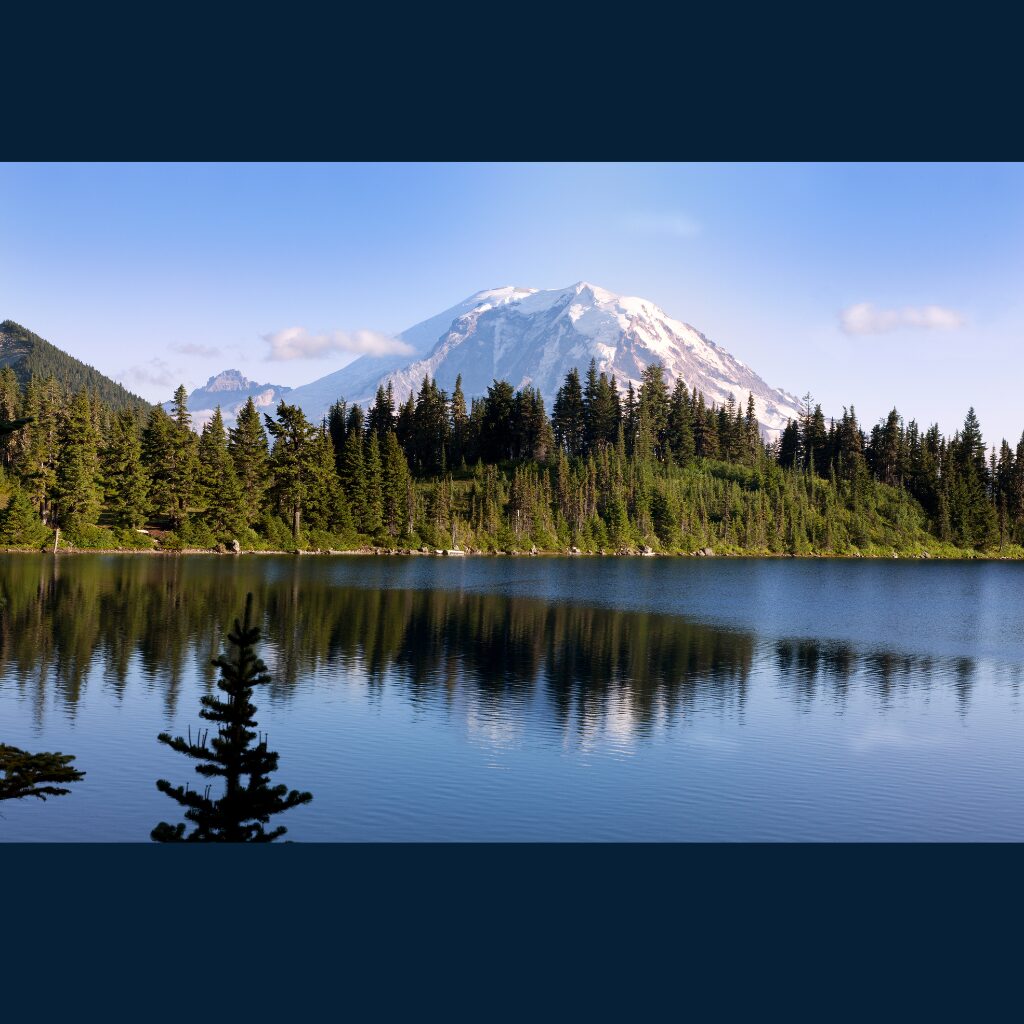
Washington is a state of dramatic contrasts. The western counties are dense, coastal, and connected by highways and cities. The eastern counties stretch across farmland, desert, and long rural corridors. Between them rise the Cascade Mountains — a barrier that divides weather, culture, and accessibility. This geography creates a frontier reality that affects how ministry can be built, how leaders can travel, and how communities can be reached.
Many counties in Washington are small, isolated, or spread across vast distances. Towns sit miles apart. Roads wind through forests, mountains, and river valleys. Some communities are reachable only by ferry, seasonal passes, or long stretches of rural highway. In these places, traditional church planting struggles. A single building cannot serve people who live hours away, and weekly travel is not realistic for families, youth, or new believers. This is the frontier reality: a landscape where ministry must move differently in order to reach the people who live there.
The Diocese embraces this reality by building mission systems that fit the land instead of fighting against it. Micro‑assemblies, mission hubs, and digital discipleship allow ministry to thrive in counties where distance and geography make conventional models impossible. Washington’s frontier reality is not a limitation — it is an opportunity. It invites creativity, mobility, and a mission approach designed for the unique character of this state. By understanding the land, we build a church that can reach every community, no matter how remote, rural, or spread out.